Logo Brillux

Testing and coating

Preparing and testing floor surfaces – know-how is key!

Concrete, mastic asphalt, different types of screed: the substrate you are working with is the key factor in your choice of coating. This means that you should first check exactly what kind of substrate you are standing on. Only then can the sealer or coating process begin.

Why you should test the floor

Each floor consists of a base layer and a wear layer. These must be securely bonded together to ensure the floor remains functional for the long term. If you want a successful floor renovation, you should first identify and assess the substrate correctly.

We have compiled the most common substrates and their properties here.

Concrete
Cement screed
Magnesia screed
Calcium sulfate screed (anhydrite screed)
Mastic asphalt
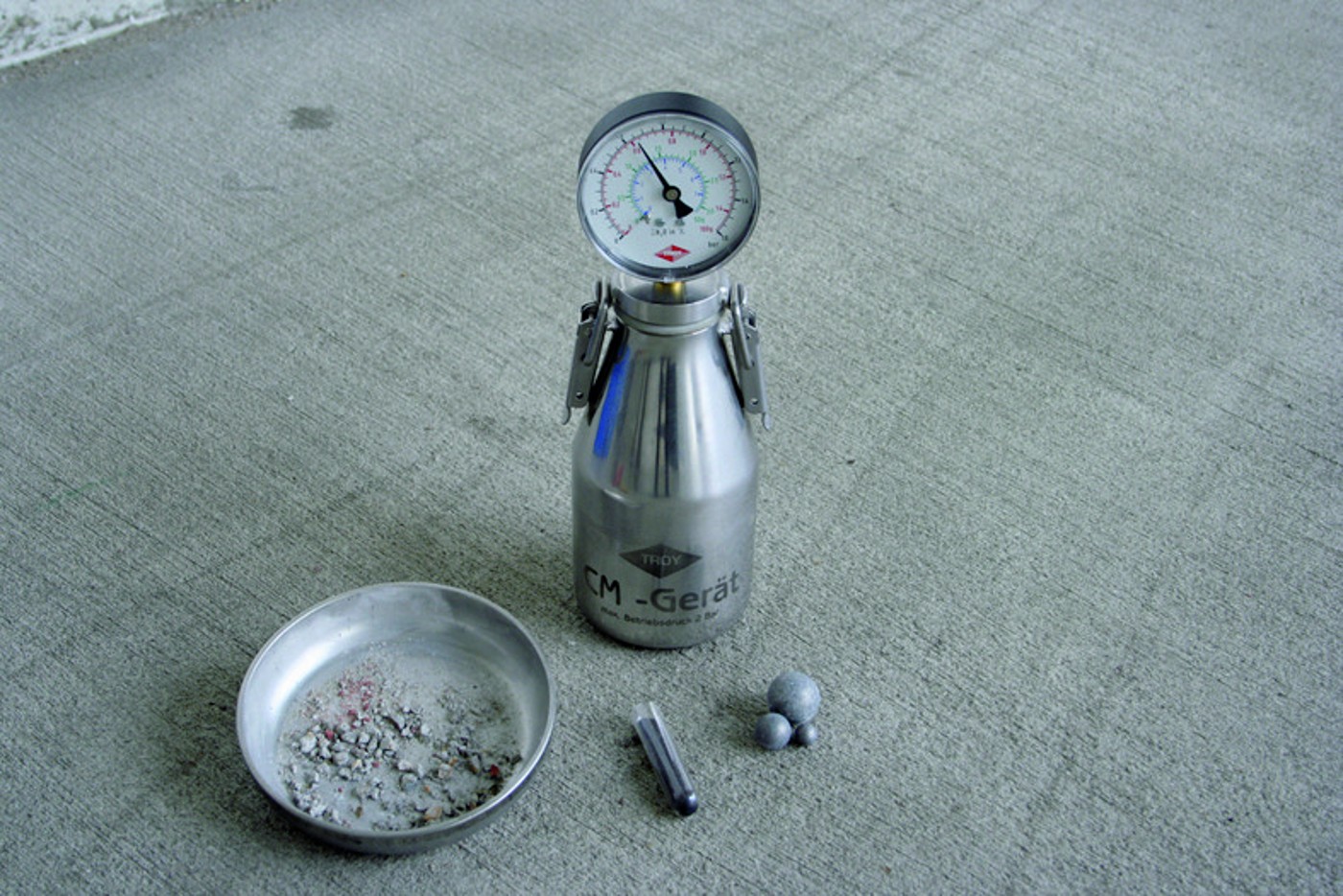
CM device for determining ground moisture

Step one: how to check the floor – determine the ground moisture

The performance of a floor coating depends on the moisture content of the substrate. A CM device (calcium carbide method) is the most reliable way to determine moisture content. More than 4% moisture by mass in concrete, for example, requires special systems for additional coating. Depending on the coating system, the substrate must not exceed the following maximum moisture values:

  • Concrete: about 4%
  • Cement screed: about 4%
  • Magnesia screed: about 12%
  • Anhydrite screed: about 0.5%

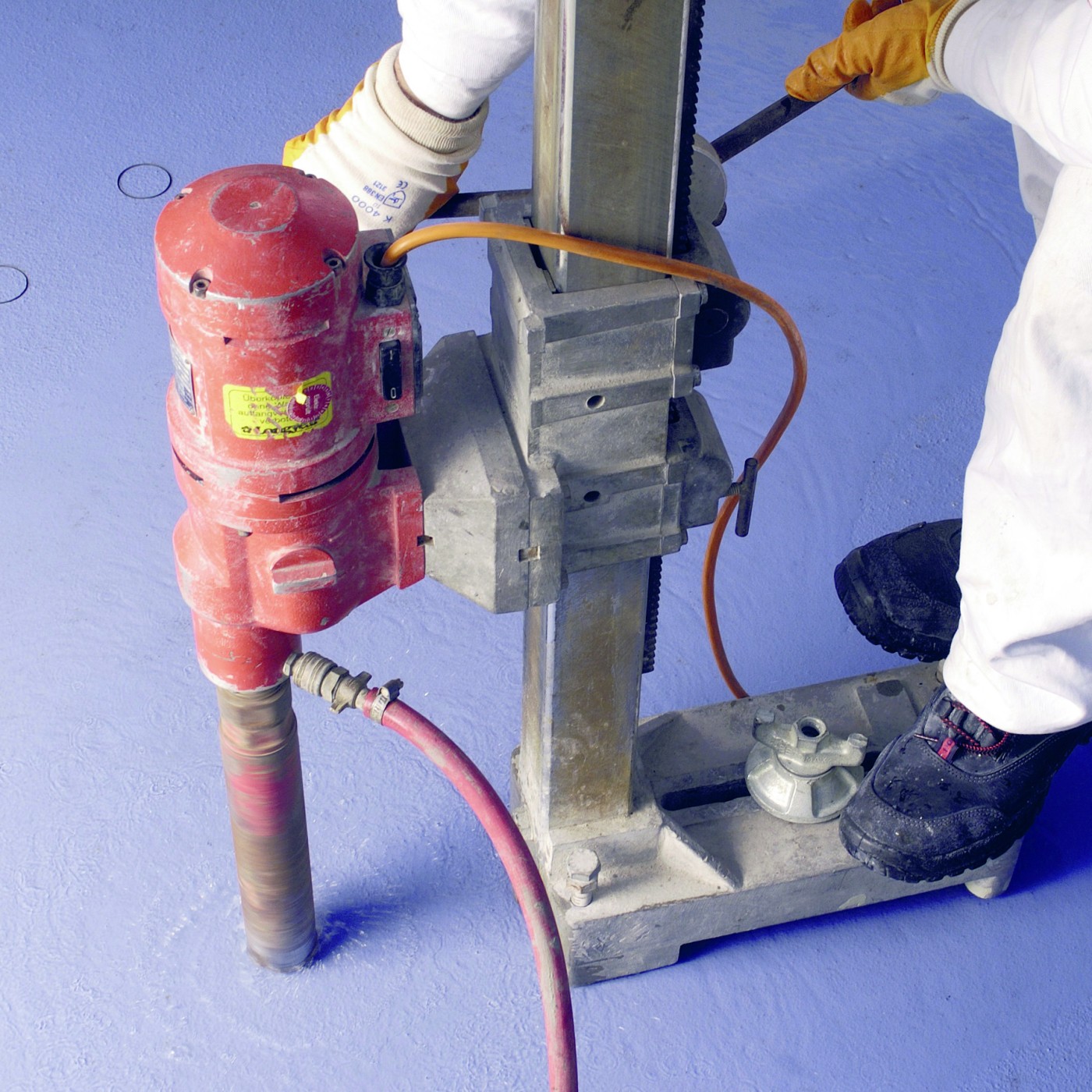
Core sampling

In difficult cases, there’s only one solution: core sampling

Core sampling is recommended for substrates that are saturated with moisture on the back or heavily oil-stained and dirty, or if the floor structures are unclear. The cross-section reveals everything: structure, strength, degree of oil contamination, etc.

After testing it’s time to prepare the surface

The higher the floor load and the more complex the coating system, the more thorough the pretreatment needs to be. Dirt, oils, greases, dust and abrasion residues, non-bearing old coatings, chemicals and other contamination must be completely removed. This also applies to sanded surfaces, sintering layers and cement sludge.

In general, a substrate to be coated must be solid, dry, clean, with good adhesiveness, load-bearing, dimensionally stable and free of separating agents or other intermediate layers affecting adhesion. The substrate must also comply with the relevant technical construction standards.

Roughen small surfaces with suitable abrasives, steel brushes or mechanically rotating brushes and then clean thoroughly with an industrial vacuum cleaner.

For highly compacted, power-trowelled concrete surfaces and substrates treated with thick coating systems, milling or shot blasting is the correct preparation.
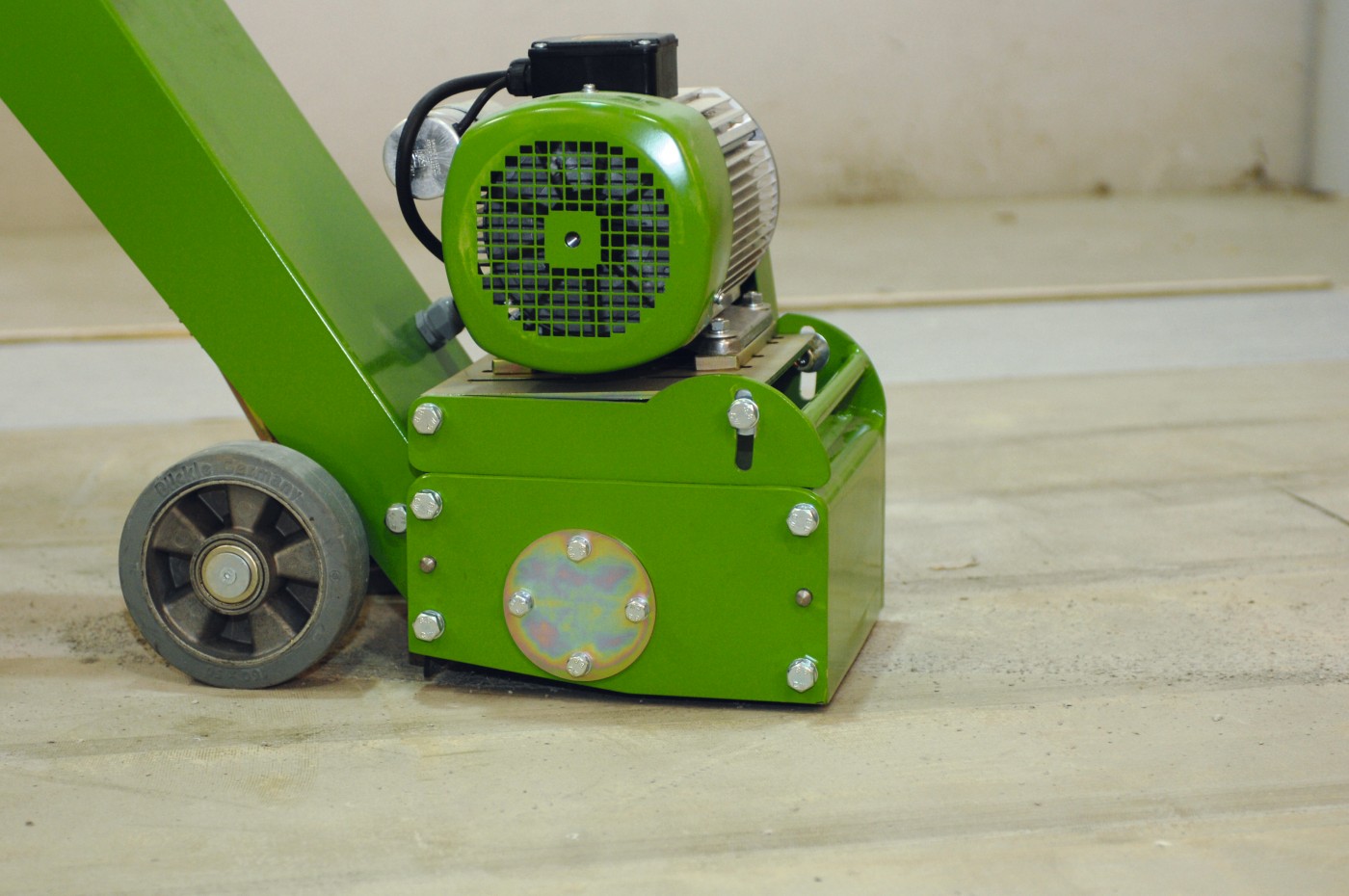
Milling

This allows several millimeters of a surface to be removed efficiently. Milling is recommended for old coatings and reactive resin coatings, for example. Then: finish surfaces using dust-free shot blasting.

Milling tool
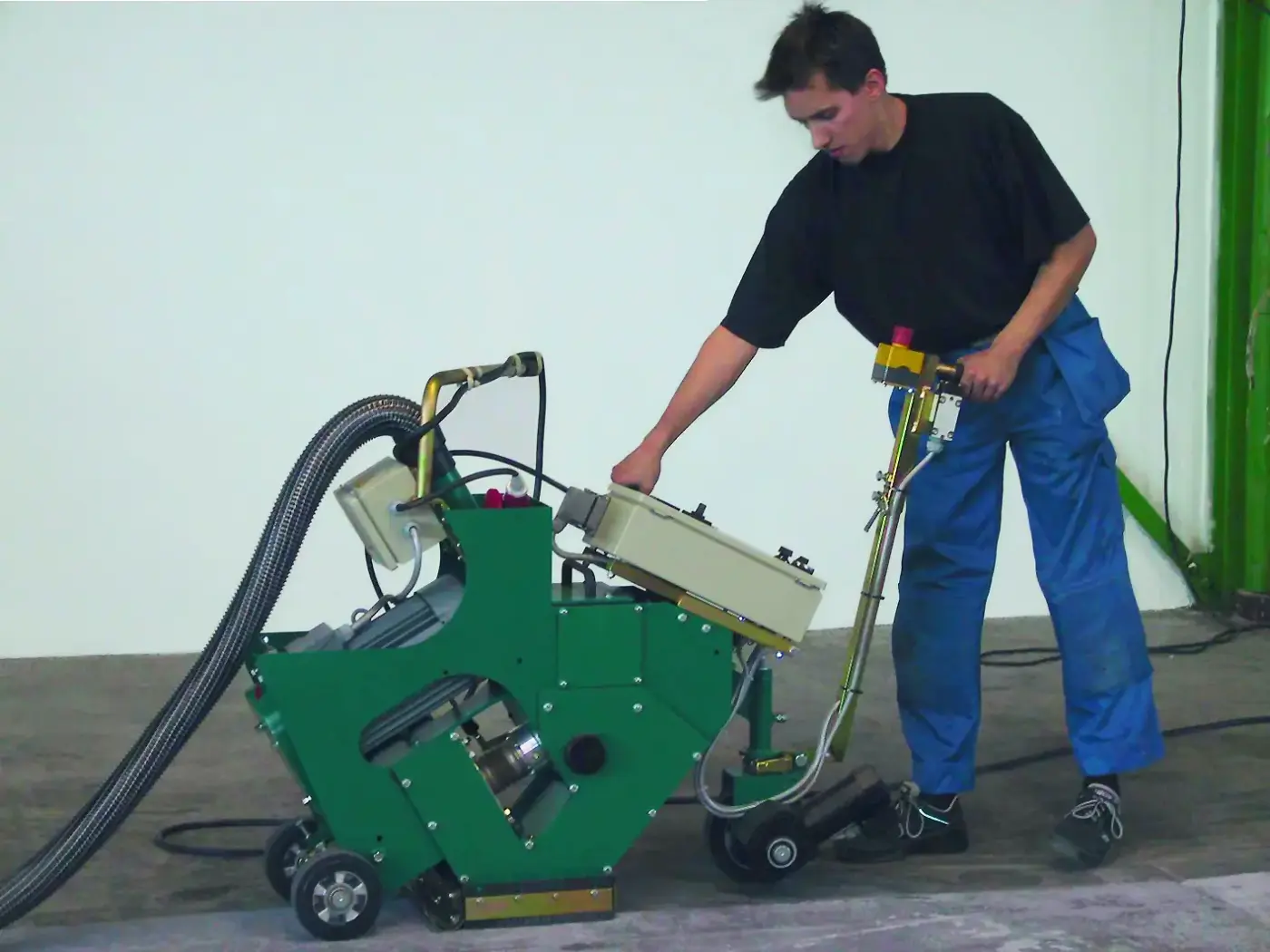
A man operating a shot blasting machine

Shot blasting method

In the “Blastrac” process, also known as dust-free shot blasting, steel shots are propelled onto the floor by a centrifugal wheel. The removed material is vacuumed up and the steel shots are fed back into the centrifugal wheel.

This method is virtually dust-free. In many cases, rooms can remain in use during surface preparation.

Saving the best for last: the sealer or coating

Once you have tested and prepared the substrate, it’s time to apply the sealer or coating as part of the system build-up. But what’s the difference between a sealer and a coating?
In a sealer, the layer thicknesses are between 0.1 and 0.3 mm after several coats by rolling or brushing. This reduces wear and dust formation and improves cleanability.
However, as a sealer has only a relatively low wear layer, this method is only suitable to a limited extent for the level of mechanical stress common in commercial areas.

In a coating, the layer thicknesses are between 0.3 and 5 mm. This makes them more resistant to mechanical and chemical stress in both wet and dry areas.
There are two application methods: thin coatings applied with a roller and self-leveling thick coatings applied with a trowel or spreading knife. The result: a particularly even surface with high protective properties.

Brillux branch with van in front

Our branches

We’re always there, wherever you need us

Brillux is always close by. With over 12,000 products and the full extent of our expertise. Find your local branch!

Man and woman selecting material

Material Library

Endless combination options

No matter the color shade, material or whether it’s for walls, floors or facades: you’ll find all the color shades available in our Material Library. Let’s go!